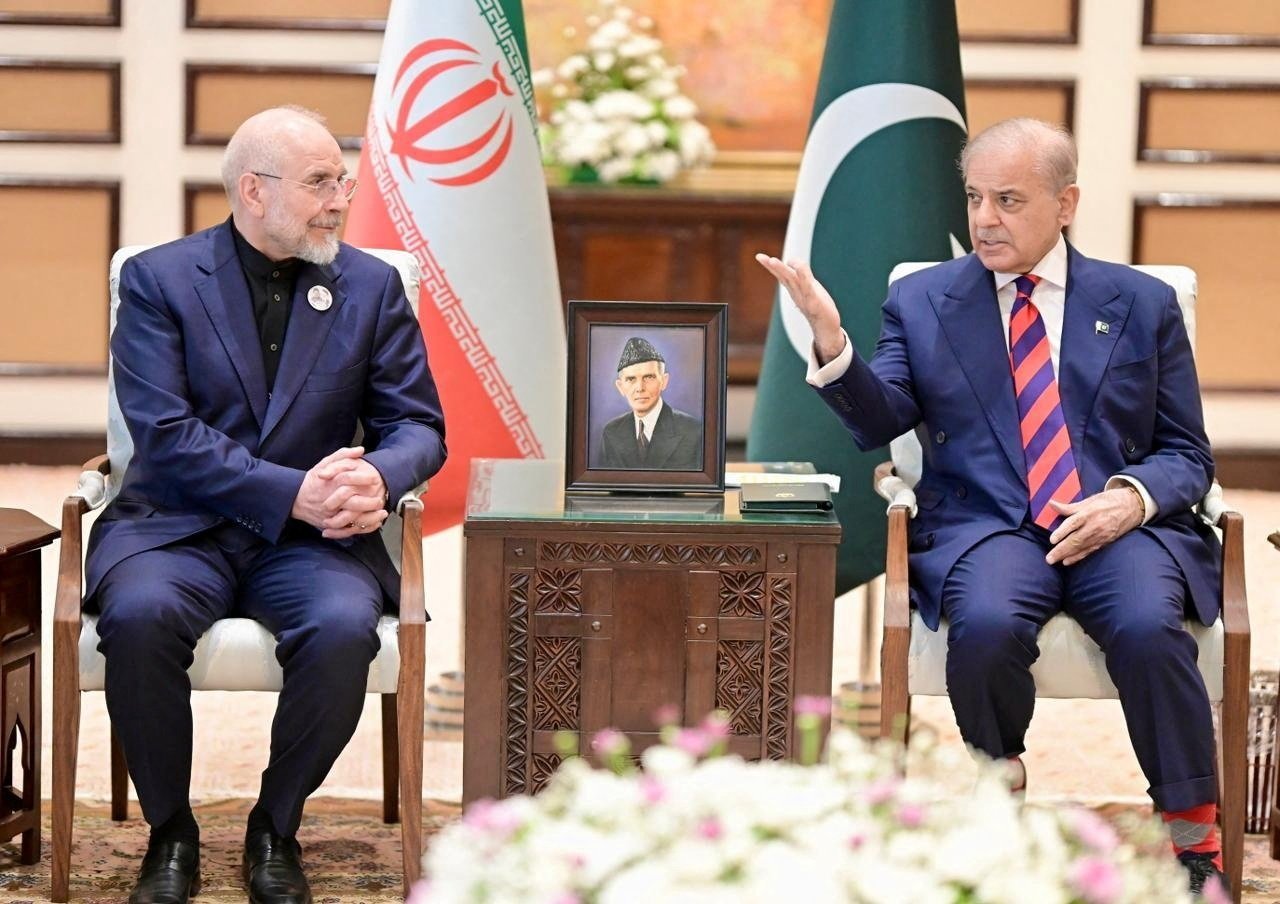
ISLAMABAD — Negotiators in Islamabad have reached a tentative deal to end the Hormuz blockade. Officials are calling it the “Diplomatic Event of the Decade.” The agreement aims to de-escalate the naval standoff in the Strait of Hormuz. Sources close to the talks say the US will partially ease sanctions. In return, Iran will allow “monitored passage” for oil tankers. Pakistan played a key role as neutral mediator, helping break the deadlock between both sides.
What the Deal Means for Global Oil Markets
Full details of the Islamabad Accord remain undisclosed. Still, global oil prices have already dropped 5% in anticipation of the news. Energy-importing nations across Asia and Europe welcomed the development with relief. Prime Minister Shehbaz Sharif congratulated both delegations. He stated that Islamabad has proven dialogue is the only path to global peace.
Terms of the Agreement
Sources indicate the deal centers on phased sanctions relief. This relief ties directly to verified compliance on tanker movement through the Strait. Iran’s commitment to monitored passage reportedly includes third-party inspection protocols. These protocols address US concerns over smuggling and dual-use cargo. At the same time, they allow Tehran to resume limited oil exports through the corridor.
Why Pakistan Was Chosen as Mediator
Pakistan holds neutral standing with both Washington and Tehran. The country also has its own economic stake in regional energy stability. These factors made Islamabad an acceptable venue for both delegations. This mirrors Pakistan’s growing diplomatic role in Gulf-adjacent negotiations. A separate effort, the Pakistan-Qatar LNG supply talks, was driven by the same Hormuz blockade risk.
Market and Regional Reaction
The 5% drop in oil prices reflects immediate relief among energy-importing economies. These economies had priced in the risk of prolonged disruption. Gulf allies and European energy buyers will closely watch implementation in the coming weeks. Any breakdown in the accord could quickly reverse this price relief. Analysts warn that the Hormuz blockade risk hasn’t fully disappeared — it has only paused.
What Happens Next
Both delegations are expected to finalize detailed implementation terms in the coming weeks. The success of this accord could set a precedent for resolving similar regional standoffs. For now, markets remain cautiously optimistic that the Hormuz blockade will stay lifted. For more on the broader regional context, see Reuters’ Middle East coverage.