ISLAMABAD / BURGENSTOCK — Pakistan and Qatar have achieved a major diplomatic win. They brokered a 60-day peace waiver between the US and Iran. As a result, the Strait of Hormuz is now open for global shipping. Markets reacted positively within hours.
Background: Why Hormuz Matters
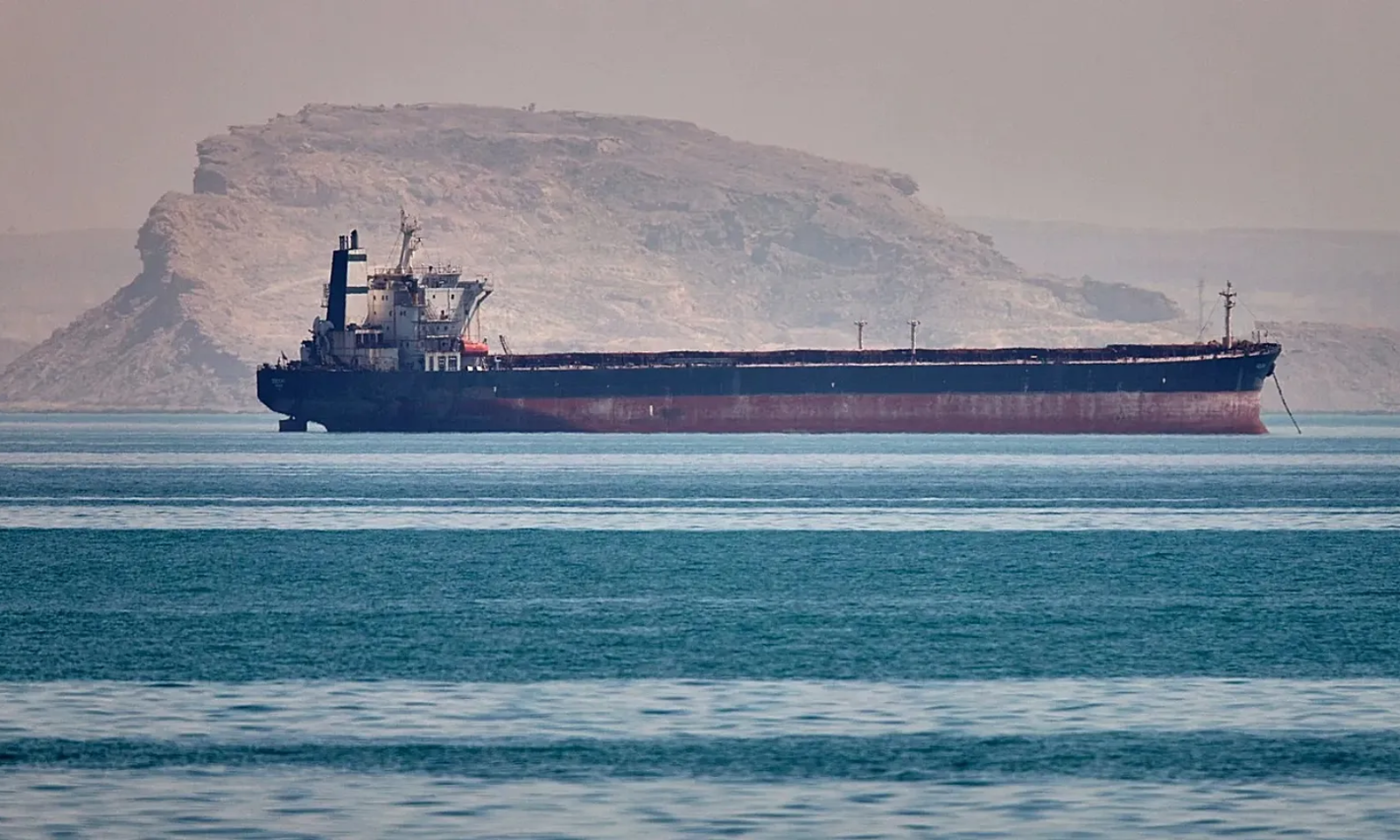
The Strait of Hormuz is the world’s most important oil route. Nearly 20% of global oil passes through it every day. Earlier this year, Iran blocked it. Consequently, oil prices jumped sharply. Moreover, supply chains across Asia and Europe broke down within days.
Pakistan depends heavily on Gulf oil imports. Therefore, a blocked Hormuz means higher fuel costs for ordinary citizens. It also means inflation and economic pressure. In short, reopening it benefits dozens of countries — not just Pakistan.
The Burgenstock Talks
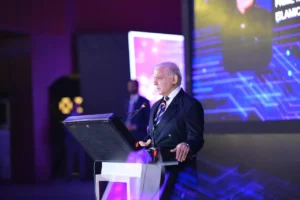
Talks took place at the Burgenstock resort in Switzerland. Senior diplomats from Pakistan, Qatar, the US, and Iran attended. Negotiations ran for several days. Eventually, both sides agreed on key terms.
Pakistan led the coordination effort. Qatar provided financial guarantees. Meanwhile, the US agreed to ease certain sanctions. In return, Iran allowed monitored commercial passage through Hormuz.
What the 60-Day Waiver Includes
The waiver has three main parts. First, all cargo ships get safe passage. Second, a joint de-confliction cell will launch immediately. Third, no military interference with civilian vessels is allowed.
Furthermore, the de-confliction cell includes all four parties. It monitors ship movements in real time. Any violation triggers an emergency meeting instantly. As a result, the deal has real enforcement power — not just words.
Pakistan’s Diplomatic Role
This deal is a milestone for Pakistani foreign policy. Pakistan acted as a neutral and trusted mediator. Additionally, it maintained open channels with both Washington and Tehran simultaneously.
The Prime Minister’s office confirmed direct engagement with both sides. Army Chief General Asim Munir also played a key role behind the scenes. Because Pakistan could talk to both parties, it became the ideal host for these negotiations.
Iranian President Masoud Pezeshkian will visit Islamabad soon. This visit will formalize long-term shipping protocols between the two countries. It also signals Iran’s trust in Pakistan as a diplomatic partner.
Impact on Global Trade
Global oil prices fell over 4% within 24 hours. Shipping companies resumed Gulf bookings immediately. Furthermore, insurance premiums on cargo routes dropped as risk decreased.
For Pakistan, the benefits are direct. Stable Hormuz means stable import costs. That reduces inflation pressure on citizens. Similarly, Asian economies like China, India, Japan, and South Korea benefit greatly. All four rely on Gulf oil for their industries.
What Happens After 60 Days?
The waiver is temporary. However, both sides must finalize a permanent deal within this window. Analysts call this the most critical phase of the peace process.
If talks succeed, Hormuz will see its most stable period in years. If they fail, however, the blockade returns. Oil markets will then react very badly. Therefore, pressure on both the US and Iran to deliver is enormous.
Pakistan and Qatar will stay active as mediators throughout this period. Both countries have strong economic reasons to keep the deal alive. Ultimately, the next two months will shape the future of Gulf shipping.
For more on Pakistan’s diplomacy, read our coverage on the CASA-1000 Electricity Framework and Pakistan-China Trade Diversification.