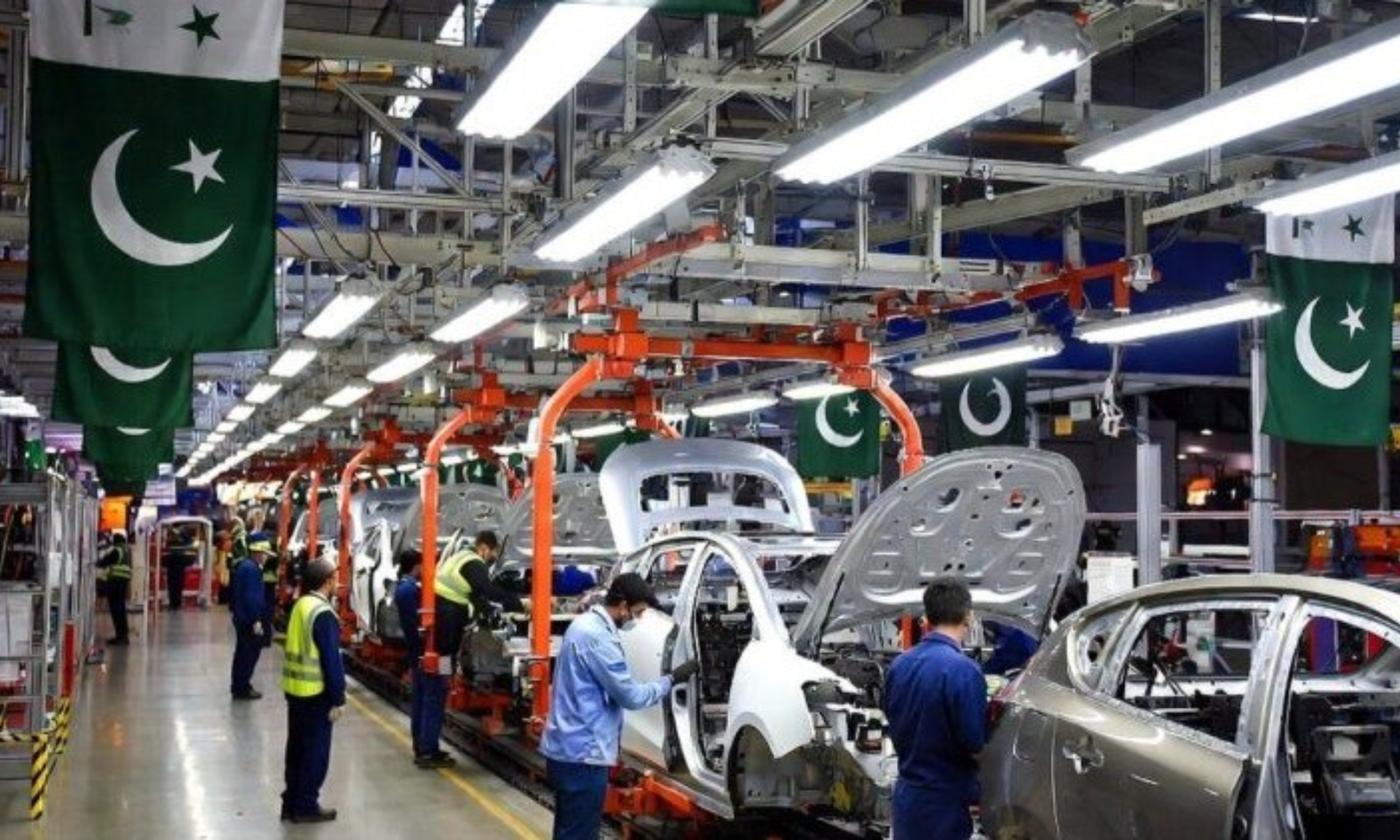
ISLAMABAD — In a major development expected to dramatically shake up the domestic auto market, the Ministry of Commerce has briefed the parliamentary finance panel on a comprehensive plan to rationalize import duties across multiple vehicle engine capacities. Under the newly tabled framework, total cumulative duties and taxes on standard 1800cc cars will plummet from 156% down to 74%, while mid-tier 1000cc to 1500cc vehicles will see a sharp drop from 76% to 52%. Entry-level vehicles up to 850cc and standard motorcycles are scheduled for a duty slash down to 30%, accompanied by a parallel 10% reduction on imported auto components to drastically lower the operational cost of doing business for local auto plants.
Breaking Down the New Duty Structure
The Ministry of Commerce’s proposal to rationalize vehicle import duties represents the most sweeping revision to Pakistan’s automotive tariff framework in recent memory. The numbers are striking in their scale. Standard 1800cc vehicles — the most common segment for family cars and urban commuters — would see their total cumulative duty burden fall from 156% to 74%. That is not a modest adjustment; it is a near-halving of the tax load on the most popular vehicle category in the country.
For mid-tier vehicles in the 1000cc to 1500cc range, duties would drop from 76% to 52%. Entry-level vehicles up to 850cc and standard motorcycles — the workhorses of Pakistan’s informal economy and daily commuter class — would see duties fall to just 30%. For millions of Pakistanis who rely on motorcycles for their livelihoods, this reduction has immediate, practical implications for the cost of replacing aging vehicles with newer, safer models.
Impact on the Local Auto Industry
The proposal has naturally triggered anxiety within Pakistan’s domestic auto assemblers, who have long benefited from high import tariffs that made locally assembled vehicles the only affordable option for most buyers. A dramatic reduction in import duties will expose local manufacturers to direct price competition from fully assembled foreign vehicles for the first time at scale.
This pressure, however, is not entirely unwelcome from a consumer standpoint. Pakistani car buyers have endured years of paying premium prices for vehicles with outdated technology, limited safety features, and constrained model choices — all shielded by tariff walls. The ministry’s proposal, if implemented, would force local assemblers to compete on quality, features, and pricing in ways the current structure has never demanded.
The parallel 10% reduction on imported auto components is a thoughtful addition — it acknowledges that local assembly still has a role to play, and that reducing input costs for assemblers can help them remain competitive even as finished vehicle imports become more affordable.
The Broader Economic Argument
Lower vehicle import duties serve a purpose beyond consumer choice. Cheaper vehicle imports can reduce inflationary pressure on transportation costs, which ripple through every sector of the economy from food distribution to construction. When logistics costs fall, so does the cost of moving goods across Pakistan’s supply chains — a benefit that reaches consumers well beyond the automotive sector itself.