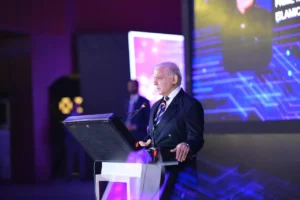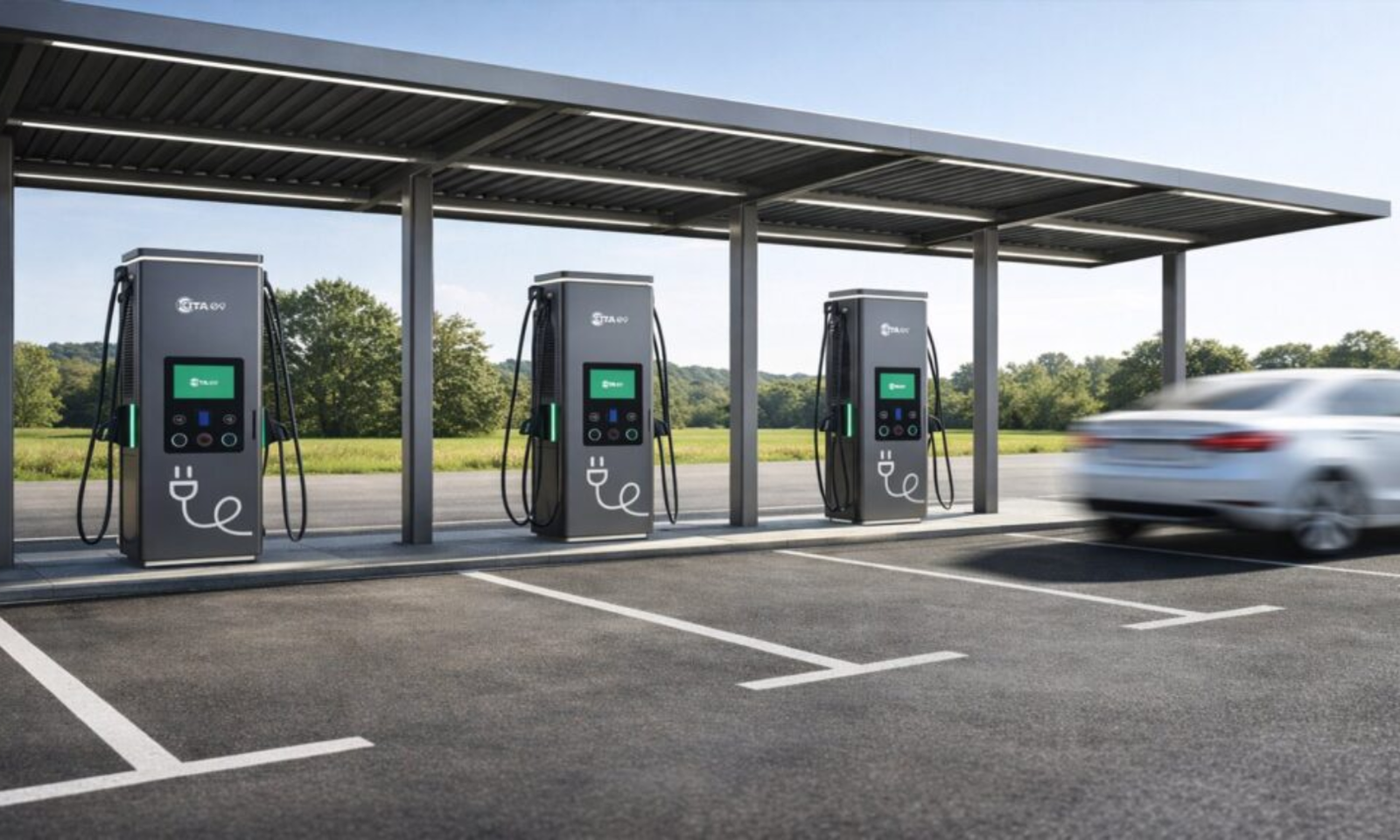
ISLAMABAD — In a major move to rapidly accelerate the country’s green energy transition, the National Assembly Standing Committee on Finance has formally finalized explicit custom updates for the Finance Bill 2026. Led by Chairman Syed Naveed Qamar, the parliamentary panel has officially signed off on a 0% Federal Excise Duty (FED) structure for all fully electric vehicle (EV) imports carrying an invoice value below $75,000. Concurrently, to balance the fiscal framework, the committee approved a steep duty hike up to 92% on luxury fossil-fuel combustion engines exceeding 3000cc. Alongside these auto adjustments, FBR and PTA have been strictly tasked with building a monthly installment structure for non-compliant mobile devices to ease user registrations.
What This Means for EV Buyers in Pakistan
The National Assembly Standing Committee on Finance’s decision to implement a 0% Federal Excise Duty on electric vehicles priced below $75,000 marks one of the most significant policy interventions in Pakistan’s automotive history. For years, potential EV buyers in Pakistan faced a frustrating reality — globally competitive electric vehicles were simply too expensive after import duties stacked up, making them accessible only to the wealthiest consumers. This new zero-FED structure changes that equation meaningfully.
Under the revised framework, a buyer importing a mid-range electric vehicle that previously attracted substantial excise duties will now face a significantly lighter tax burden. The savings, depending on the vehicle’s invoice value, can run into hundreds of thousands of rupees — bringing several popular EV models into a price range that upper-middle-class buyers can realistically consider.
The Luxury Combustion Engine Penalty
Running parallel to the EV incentive is a steep 92% duty hike on luxury fossil-fuel vehicles with engines exceeding 3000cc. This is not a coincidence — it is a deliberate policy design meant to simultaneously reward green choices and penalize the continued importation of high-emission luxury vehicles. The committee is effectively using the tax code as a behavioral tool, making the most environmentally damaging imports more expensive while clearing the path for cleaner alternatives.
This dual approach — carrot and stick — reflects a more sophisticated understanding of how to drive market transformation. Simply making EVs cheaper is helpful, but combining that with a meaningful penalty on polluting luxury vehicles sends a clearer market signal to importers, dealers, and consumers alike.
Mobile Device Registration — A Connected Reform
Alongside the automotive adjustments, the committee tasked FBR and PTA with establishing a monthly installment structure for non-compliant mobile devices. While this may seem unrelated to the EV discussion, it reflects the broader theme of the Finance Bill 2026 — widening the formal economy’s reach by reducing the friction of compliance. Lower-income users who cannot afford lump-sum device registration fees will now have a structured path to bring their devices into compliance, expanding Pakistan’s formal digital economy.
What Comes Next
Implementation will be the true test of this policy’s ambition. Pakistan has a history of well-intentioned automotive policies that faced execution challenges — from local assembly requirements to aftermarket parts availability. For the zero-FED scheme to deliver its promised benefits, customs authorities will need clear operational guidelines, and the import verification process for EVs will need to be straightforward enough that buyers and dealers can plan around it with confidence.