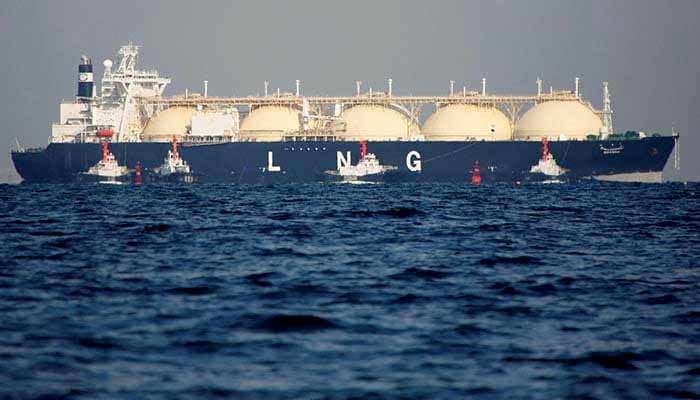
ISLAMABAD / DOHA — Pakistan and Qatar are nearing a final deal to secure the country’s energy future. The agreement covers the supply of four additional LNG cargoes. This move comes as Hormuz tensions rise near a critical shipping route. The petroleum division faces urgent pressure to meet rising summer electricity demand. Amid ongoing standoffs near the Strait of Hormuz, Islamabad has asked Doha for steady supplies. Pakistani-flagged ships are preparing to navigate these Middle Eastern chokepoints safely.
Why Hormuz Tensions Are Driving This Deal
The Strait of Hormuz carries roughly a fifth of the world’s seaborne oil and LNG trade. Any disruption there directly threatens Pakistan’s energy imports. Regional standoffs have raised the risk of delayed or rerouted shipments. Securing extra guaranteed cargoes from Qatar reduces Pakistan’s exposure to short-term supply shocks. This urgency follows closely behind the Islamabad Accord talks, which aimed to ease the broader naval standoff.
A Win for Energy Security
Officials are calling this move a major win for energy security. The power division wants to avoid a significant electricity shortfall this summer. Sources indicate both nations are working on a fast-track delivery mechanism. They expect the cargoes to arrive within the next few weeks. This agreement should bring much-needed relief to industrial and domestic consumers alike.
Impact on Pakistan’s Energy Mix
LNG remains a critical bridge fuel for Pakistan’s power sector. Furnace oil use is declining, and renewable capacity is still scaling up. Four additional cargoes give the government more flexibility during peak summer demand. This flexibility helps avoid costly emergency spot-market purchases. Spot-market buys typically carry a steep price premium over long-term supply deals.
What Comes Next
Officials from both countries expect to finalize cargo delivery schedules soon. Qatar’s state-run QatarEnergy will likely handle shipment logistics. Continued Hormuz tensions could still pose delivery risks even after signing. This keeps energy security a live concern through the summer months. For more on Qatar’s supply capacity, see QatarEnergy’s official site.