WASHINGTON / TEHRAN — President Donald Trump has officially initiated a U.S. naval blockade of the Strait of Hormuz, a move designed to maximize pressure on Tehran. Despite this escalation, both nations are reportedly considering a new round of negotiations to secure a long-term ceasefire before the current agreement expires.
Naval Blockade and the Global Energy Crisis
The blockade took effect Monday after a U.S.-imposed deadline passed. The U.S. Navy has moved to intercept and divert vessels transiting to and from Iranian ports, a move that has immediate implications for global markets.
- Oil Market Reaction: Crude oil prices surged to nearly $99 a barrel as investors braced for supply shortages.
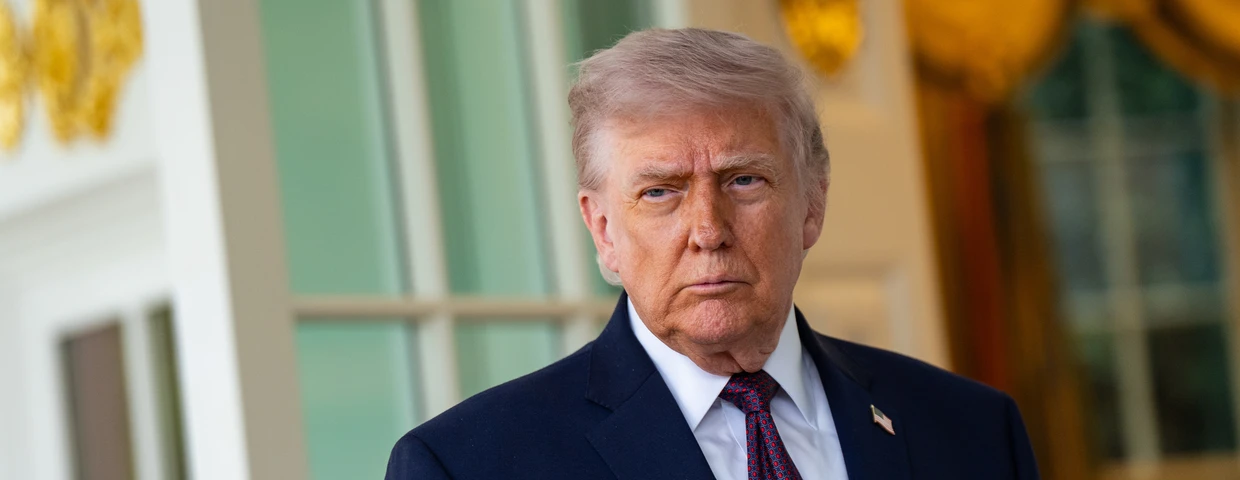
- Strategic Stance: President Trump stated at the White House that the U.S. would not allow any nation to “blackmail or extort the world,” referring to Iran’s influence over the critical waterway.
Failed Islamabad Talks and the Path Forward
The escalation follows a round of face-to-face meetings in Islamabad over the weekend, which reportedly ended without a deal. However, diplomatic channels remain open:
- Ceasefire Deadline: The current two-week ceasefire, announced on April 7, is set to expire on April 22.
- Positive Signals: Vice President JD Vance noted that despite the friction, “progress was made” in clarifying red lines during the initial talks.
- Iran’s Position: Iranian President Masoud Pezeshkian expressed readiness to continue discussions within international frameworks but condemned the blockade as an “act of piracy.”
Regional Implications and China’s Role
The blockade significantly impacts China, Iran’s largest oil customer. Beijing has called for an immediate ceasefire, warning that any disruption to the Strait—through which a fifth of the world’s oil flows—threatens global trade stability. Meanwhile, Israel continues its offensive in Lebanon, a point of contention that remains a hurdle in broader U.S.-Iran negotiations.