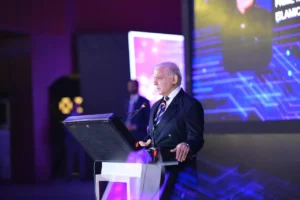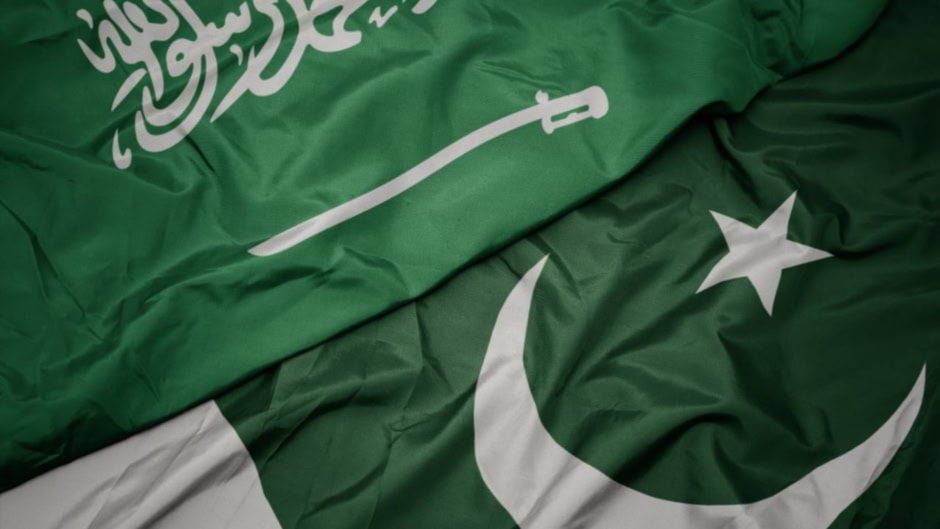
ISLAMABAD — In a massive boost for the local entrepreneurship ecosystem, Saudi Arabia and Pakistan have officially signed a $500 million “Tech Investment Fund” during the Pak-Saudi Business Forum. This fund is specifically designed to support early-stage startups in AI, Fintech, and Agri-tech. This partnership aims to bridge the gap between Middle Eastern capital and Pakistani talent, positioning the country as a regional technology hub by 2030.
What the Fund Targets
The Saudi Pakistan tech investment fund will prioritize early-stage startups working on artificial intelligence, financial technology, and agricultural innovation — three sectors identified as high-growth priorities in Pakistan’s broader digital economy push. Officials from both sides say the fund will operate through a mix of direct equity investment and co-funding with local venture capital firms, rather than a single centralized disbursement model.
Why Saudi Capital Is Backing This Fund
Gulf investors have increasingly diversified beyond oil-linked assets, and Pakistan’s large, young, tech-literate population makes it an attractive market for early-stage bets. This follows a broader pattern of Gulf-based sovereign and private capital moving into South Asian tech ecosystems, similar to investments seen in India’s and Bangladesh’s startup markets in recent years.
What This Means for Local Startups
For Pakistani founders, this fund adds a new — and potentially less risk-averse — capital source at a stage where local VC funding remains thin. Combined with recent moves like Google’s planned AI Excellence Center in Islamabad, the fund adds to a growing set of signals that international players see long-term potential in Pakistan’s tech talent pool, even as macro conditions remain uncertain.
How This Compares to Past Foreign Tech Investment
Pakistan has previously seen smaller-scale foreign interest in its startup ecosystem, but rarely at this scale or with this level of government-to-government backing. The Pak-Saudi Business Forum framing suggests this fund is meant to be the first of several coordinated investment tracks between the two countries, rather than a standalone initiative — officials have hinted at follow-up agreements in logistics and renewable energy tied to the same broader economic partnership. For more updates on the forum’s official outcomes, see the Ministry of Commerce.