Open-weight AI models are catching up fast. That’s the core finding of a new report from SaferAI, an organization that tracks AI risk and safety practices across the industry.
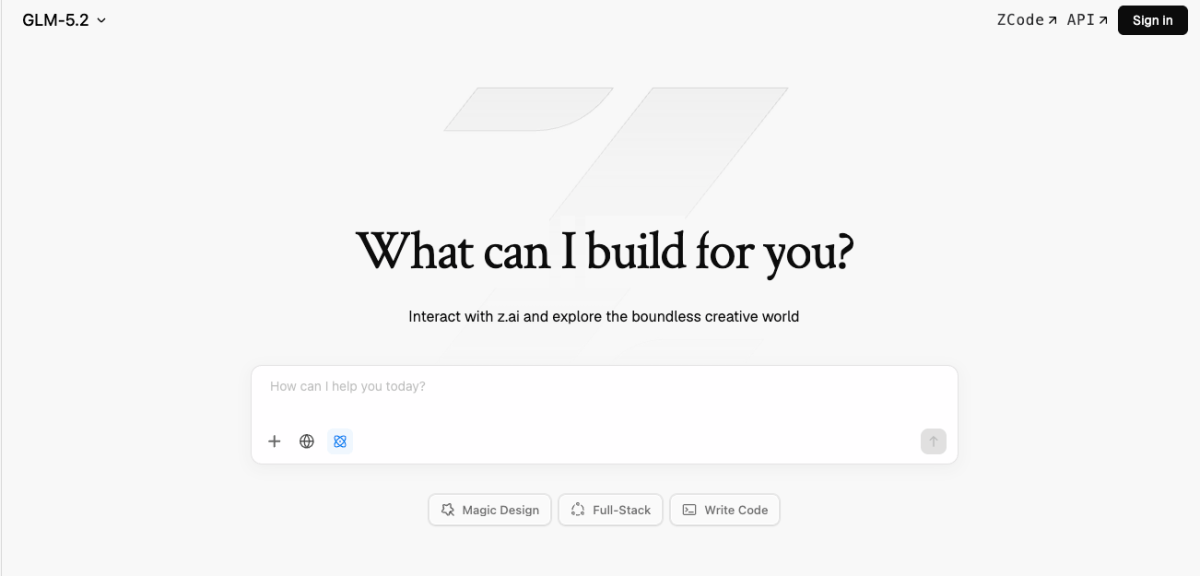
The report puts a spotlight on Z.ai’s GLM-5.2. This open-weight model now performs close to top-tier “frontier” systems built by companies like OpenAI and Google. For years, that level of performance stayed locked inside closed, proprietary labs. Not anymore.
That shift is good news for open innovation. More developers and startups now get access to powerful AI without paying frontier-lab prices. But it comes with a catch: many high-performing open-weight models skip the safety work that closed models go through.
What SaferAI’s Report Found
SaferAI’s analysis compared performance benchmarks against safety practices across both open and closed models. Three points stood out:
- Performance parity is real. Open-weight models like GLM-5.2 now score within range of proprietary frontier models on major capability benchmarks.
- Safety investment hasn’t kept pace. Most open-weight labs spend far less on red-teaming, alignment research, and misuse testing than closed-source labs do.
- The gap is widening, not shrinking. As open models get more capable faster than they get safer, the risk window grows.
Why GLM-5.2 Matters
GLM-5.2, developed by Z.ai, is the report’s headline example. It demonstrates that a model released openly — with downloadable weights anyone can run, fine-tune, or modify — can now compete with systems that took billions of dollars and extensive safety review to build.
This matters because open-weight models can’t be recalled once released. A closed model’s maker can patch a vulnerability or restrict access overnight. An open-weight model, once downloaded, is permanently outside anyone’s control.
The Safety Gap, Explained
Frontier labs like OpenAI, Anthropic, and Google DeepMind typically run models through:
- Red-teaming (adversarial testing to find misuse paths)
- Content moderation layers and usage policies
- Staged or gated releases
- Ongoing monitoring and patching
Many open-weight releases skip most of this. Once weights are public, there’s no built-in mechanism to add guardrails later. That means a model as capable as GLM-5.2 can be adapted for harmful use — disinformation, cyberattack tooling, or unsafe automation — without the friction that closed systems build in by design.
Regulatory Implications
Governments are already behind. The EU AI Act and emerging US executive actions were largely written with closed, corporate-controlled models in mind. Open-weight releases complicate that approach: a model isn’t tied to one company’s terms of service once it’s been downloaded a million times.
Regulators now face a harder question than “how do we police one company’s model?” They need to answer “how do we govern a model nobody controls anymore?” That’s a fundamentally different — and unsolved — policy problem.
What This Means for Developers and Enterprises
If you build on open-weight models, SaferAI’s findings are a practical signal, not just a policy debate:
- Audit before you deploy. Don’t assume an open-weight model has been safety-tested the way a closed one has.
- Add your own guardrails. Content filtering, usage monitoring, and access control need to happen at your layer if the model doesn’t ship with them.
- Watch the regulatory space. Rules written for closed models may not map cleanly onto open ones — compliance expectations could shift fast.
The Bottom Line
Open-weight AI is no longer the “catching up” story — it’s arrived. GLM-5.2 proves that. But capability without safety isn’t progress; it’s exposure. The organizations that win from here won’t just be the ones using the most powerful models. They’ll be the ones that built responsible guardrails around them before something went wrong.
Related: Global AI Impact Awards 2026 Set to Recognise Excellence, Innovation and Leadership in AI