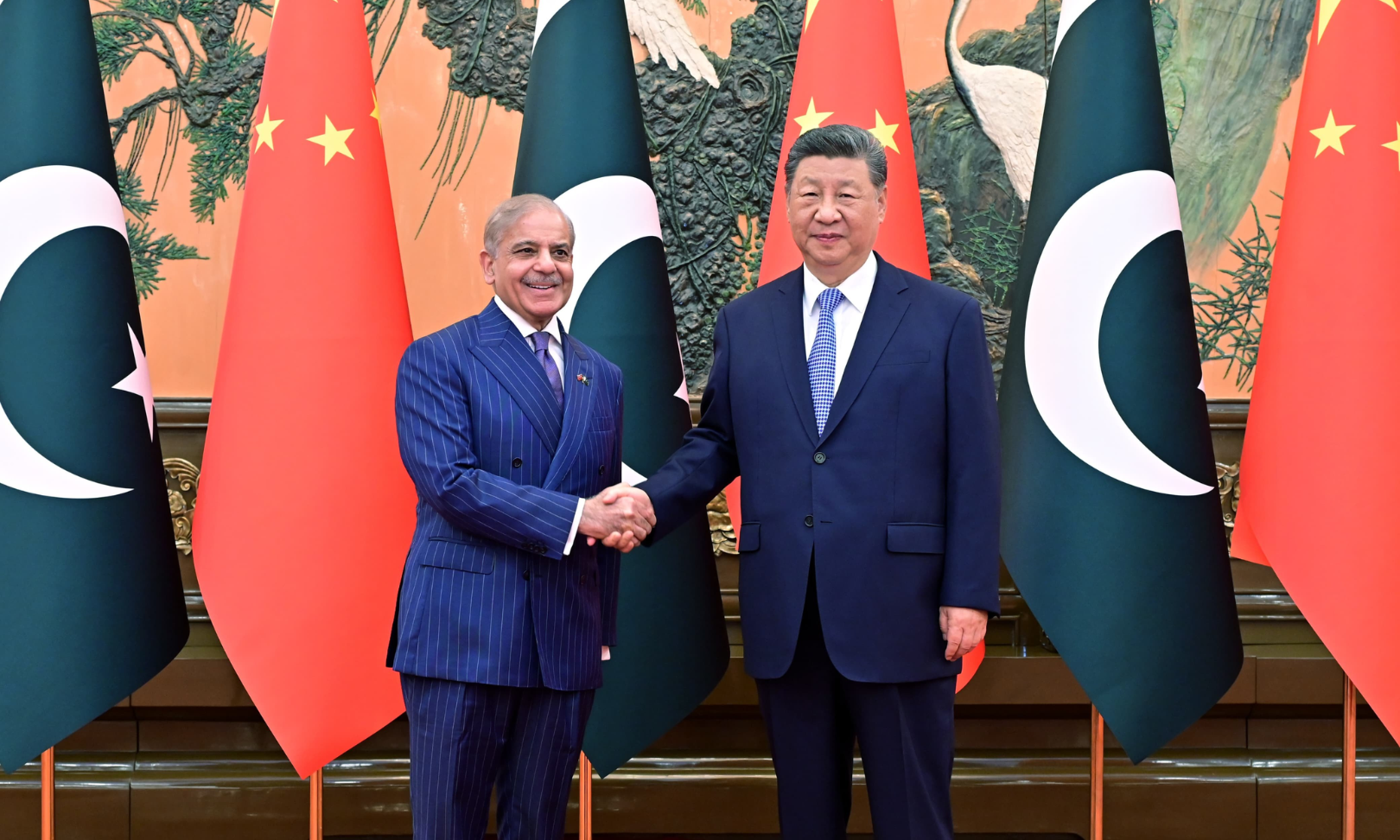
BEIJING / ISLAMABAD — Strategic economic cooperation between Islamabad and Beijing has crossed a major milestone as over $20 billion worth of Memorandums of Understanding (MoUs) successfully transition into active commercial contracts.
Pakistan’s Ambassador to China, Khalil Hashmi, briefed Finance Minister Muhammad Aurangzeb on the development, highlighting massive private sector engagement. The transition includes nine newly finalized agreements in the pharmaceutical, biotechnology, and specialized logistics sectors, marking a decisive shift from state-level loans to active B2B joint venture partnerships.
Why This Shift Matters
For years, Pakistan-China economic cooperation ran largely through government-to-government loans and state-backed infrastructure projects under CPEC. This transition signals a different model: private Chinese companies entering direct commercial partnerships with Pakistani firms, without sovereign guarantees or state borrowing attached.
That distinction matters for Pakistan’s fiscal position. B2B joint ventures don’t add to government debt, don’t require sovereign guarantees, and bring in private capital that’s typically deployed faster than state-negotiated infrastructure financing.
The Nine New Agreements
The newly finalized contracts span three sectors:
- Pharmaceuticals — likely covering manufacturing partnerships or technology transfer, areas where Pakistan has pushed to reduce import dependency.
- Biotechnology — a sector with limited prior Pakistan-China commercial activity, suggesting a new area of bilateral interest.
- Specialized logistics — supporting trade flow and supply chain infrastructure, which directly complements existing CPEC transport corridors.
What It Signals for Investors
Ambassador Hashmi’s direct briefing to the Finance Minister indicates the government is actively tracking this transition as a priority indicator of bilateral economic health. For Pakistani businesses, the shift toward B2B contracts opens more direct access to Chinese capital and technology partnerships — without needing to go through state-level negotiation channels.
What to Watch Next
The success of this $20 billion transition will likely be measured by how many of these MoUs convert into operational ventures — actual production, hiring, and trade activity — rather than remaining paper agreements. Markets and industry bodies will be watching for disclosure of the specific companies and deal structures involved in the nine finalized agreements.