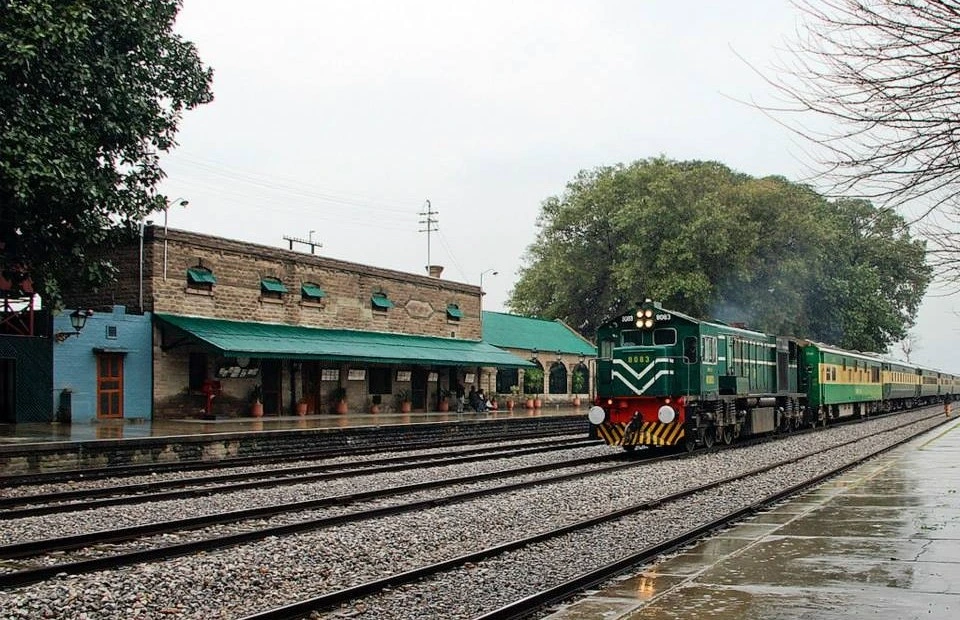
LAHORE / ISLAMABAD — Bolstering the state’s multi-modal logistics layout, Railways Minister Muhammad Hanif Abbasi confirmed that Pakistan Railways revenue has achieved a phenomenal 20% year-on-year surge, banking Rs115 billion for the fiscal cycle.
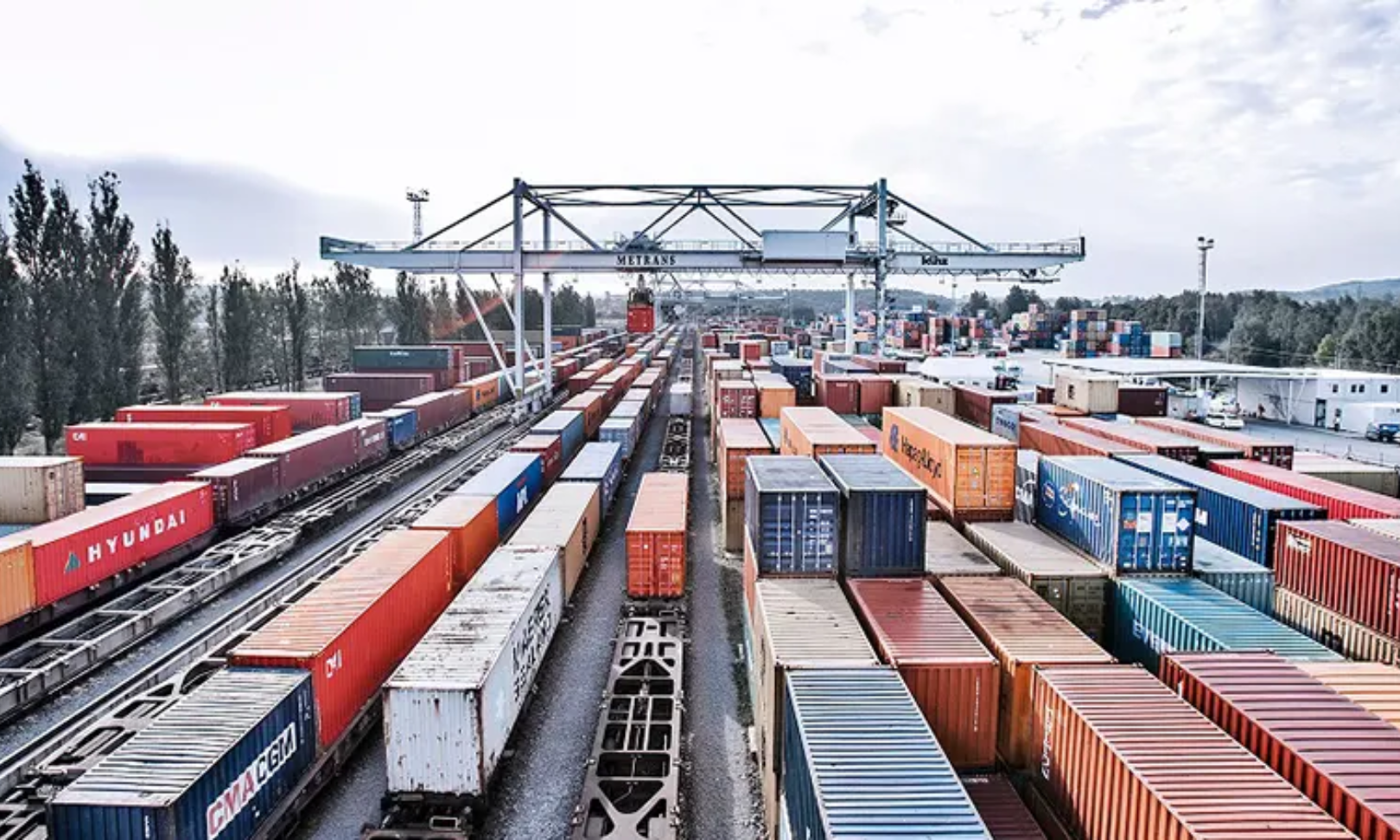
Defying major regional disruptions, freight commercial operations aggressively generated Rs41 billion — marking a solid 14% growth — while standard passenger networks remained the single largest contributor at Rs51 billion. To sustain this fiscal momentum into the newly activated year, the department has locked down a strategic freight target of Rs65 billion, explicitly backed by a comprehensive network digitization plan and the incoming September rollout for dedicated automobile and edible oil cargo lines.
What’s Driving Pakistan Railways Revenue Growth
The 20% jump comes despite regional disruptions that typically hurt freight schedules and passenger volumes. Minister Abbasi’s figures point to two engines: steady passenger demand, which remained the largest single contributor, and a freight segment growing faster in percentage terms — signaling a deliberate push to shift revenue mix toward cargo, which carries higher margins than passenger operations in most rail systems.
The Push Toward Freight
Freight’s 14% growth and the newly set Rs65 billion target suggest Pakistan Railways is finally moving to close a long-standing gap: rail freight has historically been underused compared to road transport, despite being cheaper per ton for bulk goods over long distances. The planned automobile and edible oil cargo lines, launching in September, target two high-volume import/distribution categories — a move that could meaningfully grow freight’s share of total revenue if executed on schedule.
Digitization as the Backbone
The strategy leans on a “comprehensive network digitization plan.” For a freight target this ambitious, digitization typically needs real-time cargo tracking, automated scheduling, and digital customer booking — infrastructure that reduces turnaround time and makes rail freight competitive against trucking on reliability, not just cost.
What to Watch
The real test is whether freight revenue tracks toward the Rs65 billion target through the year, and whether the September cargo line rollout happens on schedule. A gap between announced targets and delivered infrastructure has been a recurring theme in Pakistan Railways’ history — this cycle’s numbers will show whether that pattern is changing.