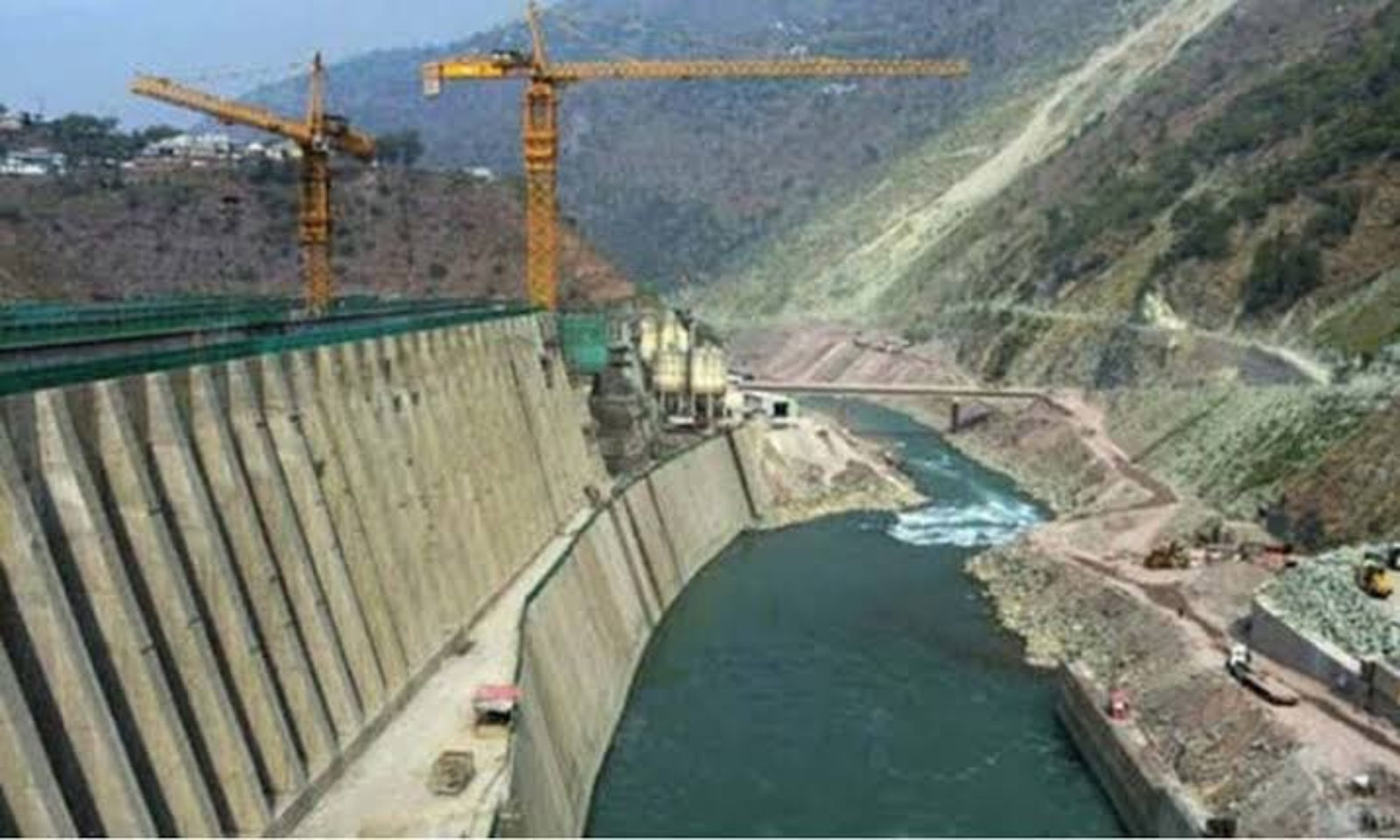
ISLAMABAD — In a monumental move to address long-term water storage and clean energy deficits, the federal government has finalized plans to allocate a massive Rs1.424 trillion project for the power generation phase of the Diamer-Bhasha Dam in the upcoming Public Sector Development Programme (PSDP) for FY2026-27. Planning Ministry officials noted that adding this foundational hydro-infrastructure asset to the national budget framework will significantly boost localized engineering employment. Over the next decade, the project is designed to inject thousands of megawatts of cheap, base-load electricity directly into the national grid while serving as a strategic buffer against climate-induced water shortages.
Pakistan’s Most Ambitious Water and Energy Project
The Diamer-Bhasha Dam is not simply another infrastructure project on Pakistan’s long list of development ambitions — it is the single most consequential water and energy investment the country has ever attempted. Located on the Indus River in Gilgit-Baltistan, the dam will stand 272 metres tall upon completion, making it one of the highest roller-compacted concrete dams in the world. Its reservoir will have the capacity to store 8.1 million acre-feet of water, providing a strategic buffer against the seasonal flow variability that makes Pakistan’s agricultural sector chronically vulnerable to drought and flood cycles.
The decision to formally include the Rs1.424 trillion power generation phase in the FY2026-27 PSDP signals that the federal government is moving beyond the planning and land acquisition phases that dominated the project’s earlier years and is now committing to the construction milestones that will determine when electricity actually begins flowing into the national grid.
The Energy Case for Diamer-Bhasha
Pakistan’s electricity crisis is not a new problem, but it is an increasingly urgent one. The country has spent years caught between insufficient generation capacity, an unreliable transmission infrastructure, and circular debt that has paralyzed investment in new power projects. Thermal power — expensive, import-dependent, and environmentally costly — has filled much of the gap, contributing directly to the high electricity tariffs that have burdened households and industries alike.
Diamer-Bhasha changes this calculus fundamentally. The dam’s power generation component is designed to produce 4,500 megawatts of hydroelectric electricity — clean, domestic, and once the capital cost is recovered, extremely cheap to generate. Unlike thermal plants that require continuous fuel imports priced in foreign currency, a hydroelectric facility like Diamer-Bhasha draws its fuel from gravity and snowmelt — resources Pakistan has in abundance and pays nothing to import.
For industries struggling under high energy costs, for households enduring load shedding, and for a national economy that loses billions annually to power shortages, 4,500 megawatts of reliable baseload hydroelectric capacity represents a structural solution rather than a temporary patch.
Employment and Engineering Development
Planning Ministry officials specifically highlighted the project’s potential to generate localized engineering employment — a dimension of the investment that deserves more attention than it typically receives in infrastructure discussions. A project of this scale and technical complexity does not simply create construction jobs. It creates demand for civil engineers, geotechnical specialists, hydrologists, electrical engineers, project managers, and skilled tradespeople across multiple disciplines.
For Gilgit-Baltistan specifically, a region with significant natural resources but historically limited economic development, the sustained employment generated by a decade-long megaproject construction cycle has the potential to meaningfully shift local economic conditions. Supply chains, logistics operations, accommodation, food services, and supporting industries all expand around major construction sites, creating ripple effects that extend well beyond the dam site itself.
Water Security in a Changing Climate
Beyond electricity generation, Diamer-Bhasha’s water storage capacity addresses one of Pakistan’s most serious long-term vulnerabilities. Pakistan is heavily dependent on the Indus River system, which is fed largely by glacial melt and monsoon rainfall — both of which are becoming increasingly unpredictable as climate patterns shift. The country already faces water stress, and projections suggest that without significant investment in storage infrastructure, agricultural water availability will deteriorate further over the coming decades.
The dam’s reservoir will give Pakistan the ability to store water during high-flow periods and release it during dry seasons, smoothing out the variability that currently forces farmers to gamble on rainfall timing and leaves urban water systems vulnerable to seasonal shortfalls. For a country where agriculture employs roughly 40% of the workforce and generates a significant share of export earnings, this water security dimension of Diamer-Bhasha may ultimately prove as valuable as the electricity it generates.
What Comes Next
With the power generation phase now formally entered into the national budget framework, attention will turn to execution — the area where Pakistan’s infrastructure ambitions have historically faced their greatest challenges. Timely disbursement of allocated funds, effective contractor management, transparent procurement, and consistent political commitment across election cycles will all be essential to keeping the project on track.
The Planning Ministry’s public commitment to this allocation is an encouraging signal. Translating that signal into concrete construction progress, on schedule and within budget, is the work that now lies ahead.