KARACHI — Seeking immediate federal and provincial intervention to maintain export momentum, top business leaders from the Karachi SITE Association and Korangi Association of Trade and Industry (KATI) have officially urged the government to implement regional utility competitiveness measures.
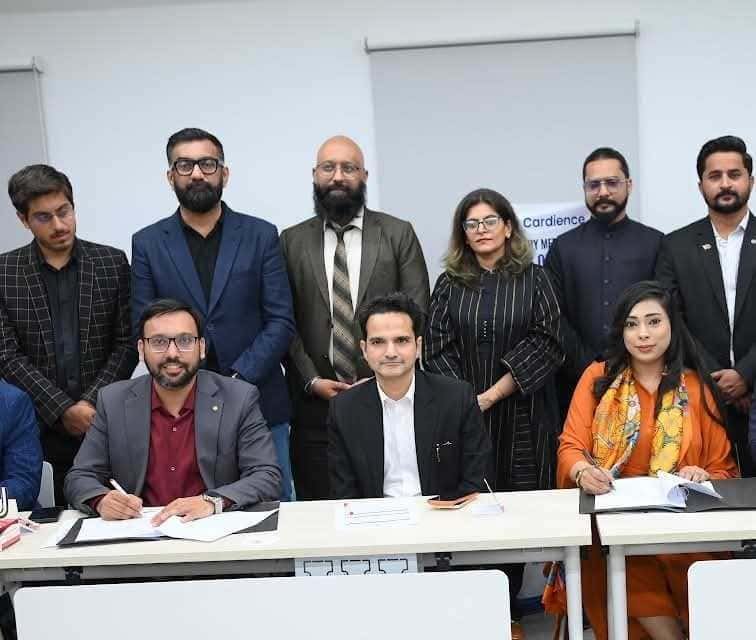
During a high-profile session, SITE President Abdul Rehman Fudda and KATI Patron-in-Chief Zubair Motiwala briefed Sindh Governor Nehal Hashmi and Chief Minister Murad Ali Shah on the critical energy crunch, noting that high power tariffs are making Pakistani products uncompetitive in global markets. The industrial associations have proposed establishing dedicated Site Development and Management Companies run directly by actual industrial stakeholders.
Why Industrialists Are Raising the Alarm
Karachi’s two largest industrial zones — SITE and Korangi — together house thousands of export-oriented manufacturing units, from textiles to plastics to light engineering. Business leaders argue that Pakistan’s current power tariff structure puts local exporters at a direct disadvantage against regional competitors like Bangladesh, Vietnam, and India, where industrial electricity costs significantly less.
Rising energy costs feed directly into production costs. When Pakistani goods cost more to manufacture than comparable products from regional rivals, buyers simply shift orders elsewhere — a risk industrialists say is already materializing in key export sectors.
The Regional Tariff Proposal
The core demand is a regional, competitiveness-linked power tariff — pricing industrial electricity in line with what regional export competitors pay, rather than a flat national rate that doesn’t account for Pakistan’s export-sector vulnerability.
Site Development and Management Companies
Beyond tariffs, SITE and KATI leadership proposed a structural fix: handing control of industrial zone infrastructure — utilities, maintenance, and development — to Site Development and Management Companies run by industrialists themselves, rather than government bodies. The argument is that stakeholders with direct operational exposure can manage utility infrastructure more efficiently and respond faster to industry needs than bureaucratic oversight allows.
What’s at Stake
Sindh Governor Nehal Hashmi and Chief Minister Murad Ali Shah were briefed directly on the proposals, signaling the issue has reached the provincial government’s top level. Whether this translates into policy action — a revised tariff structure or approval for industry-led management companies — will determine if Karachi’s export sector gets the relief business leaders say is urgently needed.