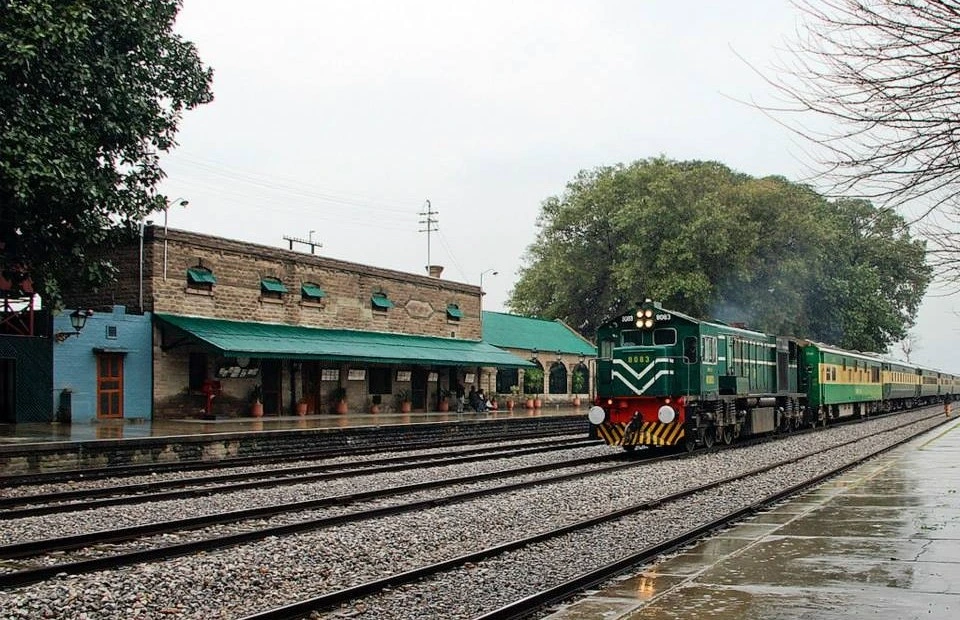
Pakistan Railways has achieved its highest-ever annual revenue, generating approximately Rs. 115 billion during the fiscal year 2025–26 and crossing the Rs. 100 billion mark for the first time in its 78-year history. The milestone marks a major turning point for an organisation that has long struggled with financial sustainability, and it signals a broader shift in how the public-sector institution is being managed.
A Historic Milestone for Pakistan’s Railway Sector
The achievement reflects a steady, multi-year improvement in revenue performance rather than a one-time spike. Earnings rose from Rs. 88 billion in FY2023–24 to Rs. 92 billion in FY2024–25, before reaching the latest record of Rs. 115 billion in FY2025–26. This consistent upward trend suggests the growth is structural, not circumstantial.
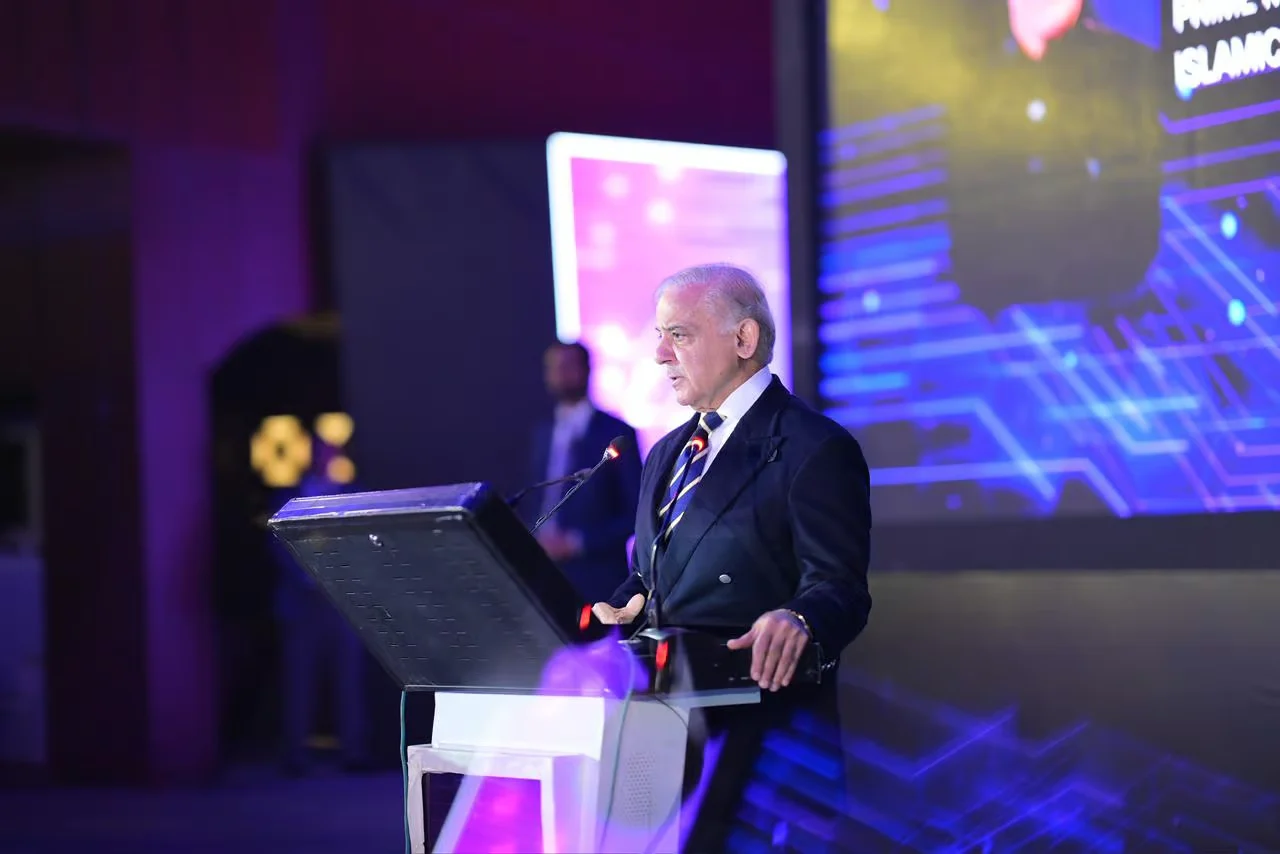
According to Federal Minister for Railways Muhammad Hanif Abbasi, the growth has been supported by improvements in governance, operational efficiency, commercial activities, and greater private-sector participation. Officials have pointed to tighter financial oversight and a renewed focus on underutilised revenue streams as key contributors to this year’s performance.
Pakistan Railways Revenue Breakdown
The revenue breakdown highlights how diversified income streams have contributed to this historic figure:
- Passenger operations contributed approximately Rs. 55 billion, remaining the single largest source of income
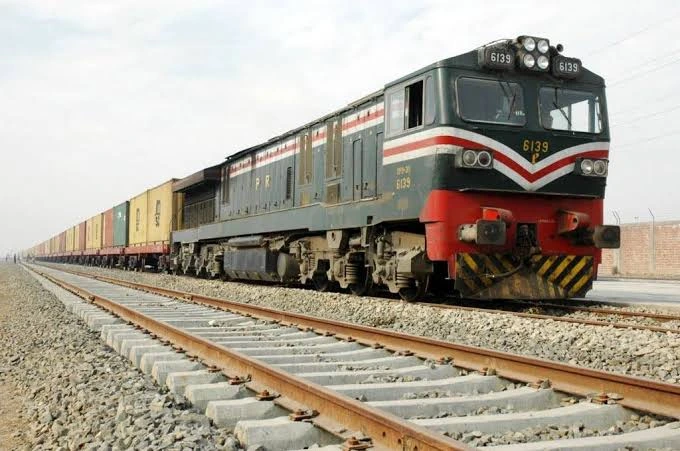
- Freight services generated around Rs. 41 billion, reflecting growing demand for rail-based cargo transport
- Property and land management contributed approximately Rs. 12 billion, as the organisation continues to monetise its extensive land holdings
- Commercial activities and scrap sales added further revenue, pointing to better utilisation of non-core assets
This spread across four distinct categories shows that Pakistan Railways is no longer relying solely on ticket sales to stay financially afloat, a shift that experts consider essential for long-term viability.
Modernisation Efforts Behind the Growth
The development comes alongside broader efforts to modernise railway operations, improve infrastructure, strengthen freight services, and introduce digital systems. Investments in track upgrades, station modernisation, and digitised ticketing and tracking systems appear to be feeding directly into improved commercial outcomes.
These structural reforms suggest the organisation is trying to move away from reactive crisis management toward a more planned, efficiency-driven operating model, one that mirrors successful railway turnarounds seen in other countries.
Why This Revenue Growth Matters
Crossing the Rs. 100 billion threshold for the first time in 78 years is more than a symbolic financial milestone. It signals a meaningful shift in how the organisation manages its commercial and operational activities. Improved governance, combined with private-sector involvement, suggests a move toward a more sustainable and diversified revenue model going forward, rather than continued dependence on government subsidies.
For a state-run institution that has historically operated at a loss, this kind of consistent, multi-year growth also strengthens the case for further investment and reform, both from government stakeholders and potential private partners.
Future Target: Rs. 160 Billion for FY2026–27
Building on this momentum, Pakistan Railways has set an ambitious revenue target of Rs. 160 billion for FY2026–27. Achieving this would represent a further jump of roughly 39% over the current year’s record, a target that will require sustained execution across passenger, freight, and commercial segments.
The Road Ahead
While the record revenue marks an important achievement, sustained improvements in passenger services, safety, infrastructure, and operational reliability will remain essential to the organisation’s long-term transformation. Revenue growth alone does not guarantee better outcomes for daily commuters or freight customers, service quality, punctuality, and safety standards will ultimately determine whether this financial turnaround translates into genuine public trust.
The coming fiscal year will be a critical test of whether Pakistan Railways can match its financial momentum with equally strong operational performance.
Conclusion
A historic revenue milestone, and a new challenge to turn financial progress into better railway services. Pakistan Railways’ performance in FY2025–26 sets a strong benchmark for public-sector reform in Pakistan, but the real measure of success will be whether this growth can be sustained while meaningfully improving the experience for millions of passengers and businesses that depend on the network every day.