
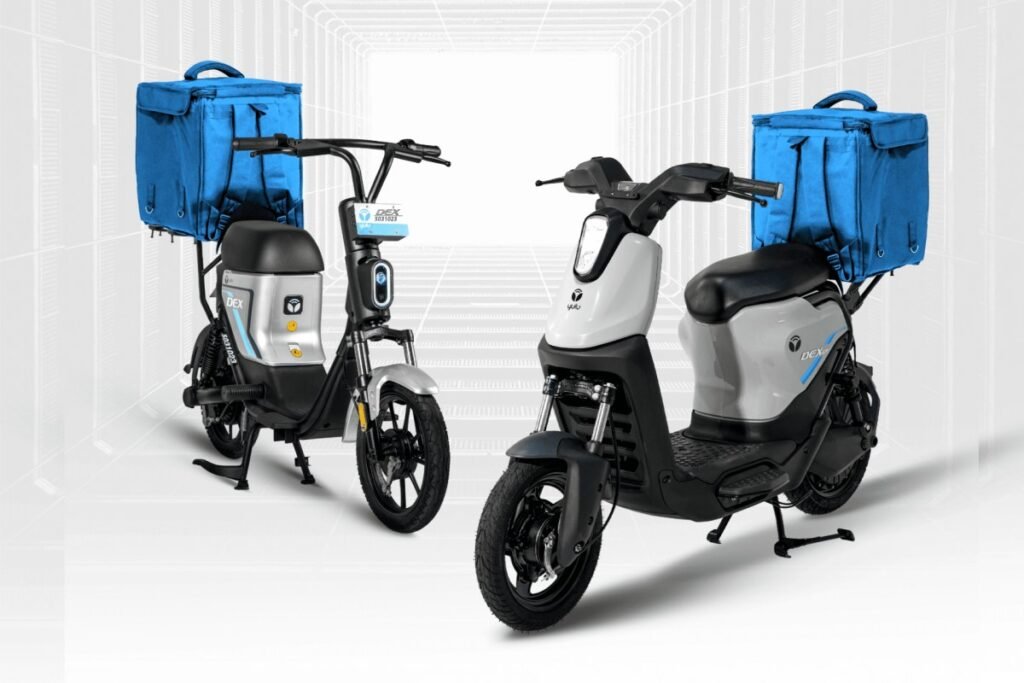
BENGALURU, INDIA — Yulu, a leading Indian electric mobility startup, has successfully secured $93 million in new funding to capitalize on the rapid expansion of the nation’s quick-commerce sector. The Bengaluru-based company raised $63 million in equity led by GEF Capital Partners, alongside $30 million in debt financing, positioning itself as a critical infrastructure provider for the burgeoning gig economy. Currently managing a fleet of approximately 50,000 electric two-wheelers, Yulu powers over 750,000 deliveries daily and logs 1.6 million zero-emission miles every week. This fresh capital infusion will enable the startup to quadruple its fleet to 200,000 vehicles over the next two years while introducing faster models designed for diverse logistics applications. By offering weekly subscription plans that remove the financial barrier of vehicle ownership for delivery drivers, Yulu is effectively serving as the foundational mobility layer for major platforms like Amazon, Flipkart, and various food-delivery services. The startup's pivot from urban bike-sharing to logistics-focused mobility has resulted in significant revenue growth and a clear path toward full profitability by next year.
Funding Structure and Post-Money Valuation
Yulu raised $93 million through a combination of $63 million in equity led by GEF Capital Partners and $30 million in debt financing. This Series C funding round valued the electric mobility startup at approximately $170 million post-money. While existing major stakeholders Bajaj Auto and Magna International waived their pre-emptive rights to allow GEF to secure its desired ownership stake, the round also provided an exit for early seed investors, with $5.5 million allocated to secondary share purchases. Chief Executive Officer Amit Gupta indicated that this represents the company’s final intended equity raise before seeking a public listing. Moving forward, Yulu plans to finance its ambitious fleet expansion primarily through debt and lease financing models, reflecting a shift toward a more mature capital structure as it approaches bottom-line profitability.
The Strategic Pivot to Logistics Mobility
Since its inception in 2017 as an urban bike-sharing service, Yulu has transformed into a logistics-centric platform where 95 percent of revenue now stems from gig worker subscriptions. The COVID-19 pandemic served as a pivotal moment for the company, revealing a massive opportunity in the food and grocery delivery sectors as demand for rapid commerce accelerated. Yulu has since abandoned its plans for direct-to-consumer vehicle sales to focus exclusively on its subscription-based rental model for delivery professionals. This strategy provides drivers with immediate access to the gig economy without the high upfront costs of purchasing a vehicle. The company’s financial trajectory has improved significantly under this model, with revenue reportedly growing seven-fold between fiscal 2023 and 2026, culminating in the achievement of positive EBITDA during the last financial year.
Technological Innovation and Fleet Diversification
Yulu is set to diversify its vehicle lineup with the introduction of the Yulu Express, a full-sized, higher-speed electric scooter designed for long-haul e-commerce and bike taxi services. While the company’s existing low-speed fleet is manufactured by Bajaj Auto, the new Express model is being produced by a different, unnamed Indian manufacturer to meet the rigorous demands of express parcel services. The company intends for this higher-speed model to eventually constitute one-third of its projected 200,000-vehicle fleet over the next two years. Currently, about 500 of these new scooters are operational in Bengaluru and are undergoing trials in three additional cities. By expanding into faster vehicle categories, Yulu aims to capture a larger share of the logistics market that requires greater range and speed than its initial urban commuting bikes could provide.
Geographic Expansion and Infrastructure Strategy
The startup currently operates in 12 Indian cities and plans to expand its footprint to 20 urban centers within the next year, specifically targeting Chennai and Pune. Yulu utilizes a hybrid operational model, managing its own services in major hubs like Mumbai, Bengaluru, Delhi-NCR, and Hyderabad, while utilizing franchisees to scale into eight other secondary markets. The company maintains deep integrations across the Indian e-commerce landscape, partnering with industry giants including Walmart-owned Flipkart and Amazon. CEO Amit Gupta describes Yulu as the AWS of mobility, providing the essential infrastructure that allows individual gig workers to operate independently of third-party logistics providers. This decentralized approach enables delivery platforms to scale rapidly without investing in their own proprietary vehicle fleets or high-maintenance charging networks.
Environmental Impact and Financial Sustainability
Yulu reports logging 1.6 million zero-emission miles per week and expects to reach full profitability before interest and taxes within the next calendar year. The company’s growth is fueled by the unprecedented boom in India’s quick-commerce market, where delivery times for items ranging from groceries to electronics have shrunk to mere minutes. By providing a low-cost, electric alternative to traditional petrol scooters, Yulu is helping the logistics industry decarbonize while simultaneously improving the earning potential of delivery personnel. The startup’s ability to scale deliveries to over 750,000 per day demonstrates the robust demand for reliable electric mobility in high-density urban environments. As the company prepares for an eventual public offering, its focus remains on optimizing operational efficiency and leveraging its established battery-swapping infrastructure to support an increasingly large and active user base.
