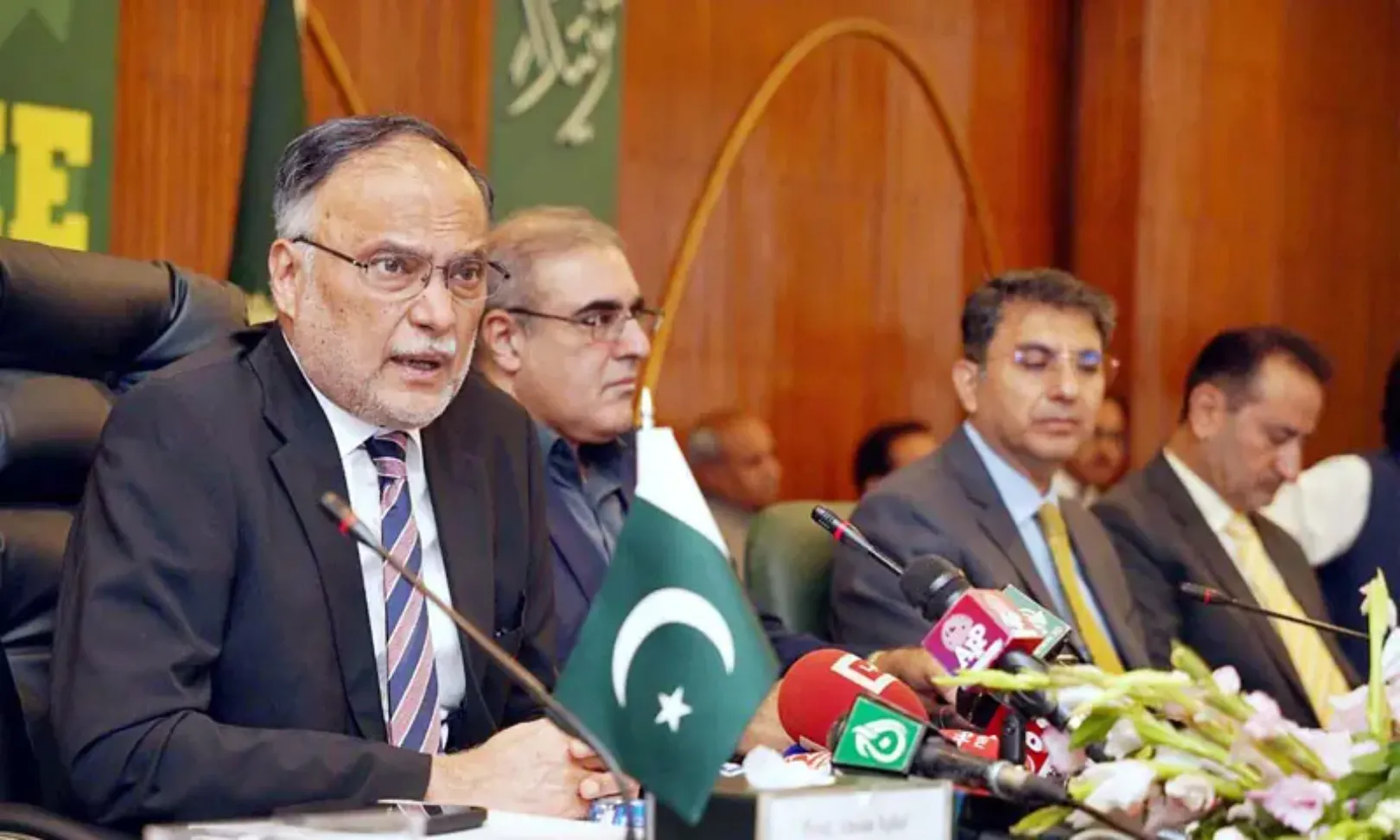
ISLAMABAD — The Annual Plan Coordination Committee (APCC) has finalized its working papers for the upcoming Budget 2026-27 fiscal year, aggressively targeting an economic growth rate of 4.0% and setting an inflation target of 8.2%. Although the country narrowly missed its previous target by closing out the current fiscal year at 3.7% GDP growth, the new plan maps out a major recovery driven by a 6.1% rebound in Large-Scale Manufacturing (LSM). The state’s upcoming structural reforms are strategically designed to generate roughly 2 million new jobs across the services, industrial, and agricultural sectors by boosting national investment to 15% of GDP.
Where the Growth Is Expected to Come From
The APCC’s projections lean heavily on a manufacturing rebound, with Large-Scale Manufacturing expected to grow by 6.1% after a sluggish previous year. Officials attribute this to improved energy availability and lower input costs, partly linked to the furnace oil export approvals freeing up refinery capacity for more efficient fuel allocation. Agriculture and services are also expected to contribute, though at a more modest pace compared to industrial output.
The Job Creation Target
Budget 2026-27 Pakistan’s headline promise of 2 million new jobs hinges on raising national investment to 15% of GDP — a significant jump that will require both public spending discipline and stronger private-sector participation. Analysts note that similar job targets in past budgets have often fallen short when investment inflows lagged behind projections, making this year’s execution critical to watch.
Inflation Target vs Reality
Setting an 8.2% inflation target marks a cautious but still ambitious goal, given global commodity price volatility and Pakistan’s continued exposure to imported fuel costs. The government’s ability to hit this figure will likely depend on how effectively it manages energy import bills and currency stability over the fiscal year.
What This Means Going Forward
If the APCC’s targets hold, Budget 2026-27 would mark Pakistan’s strongest growth performance in several years, though the gap between projected and actual GDP growth in the outgoing fiscal year (4.0% targeted vs 3.7% achieved) suggests these figures should be read as ambitious benchmarks rather than certainties.