
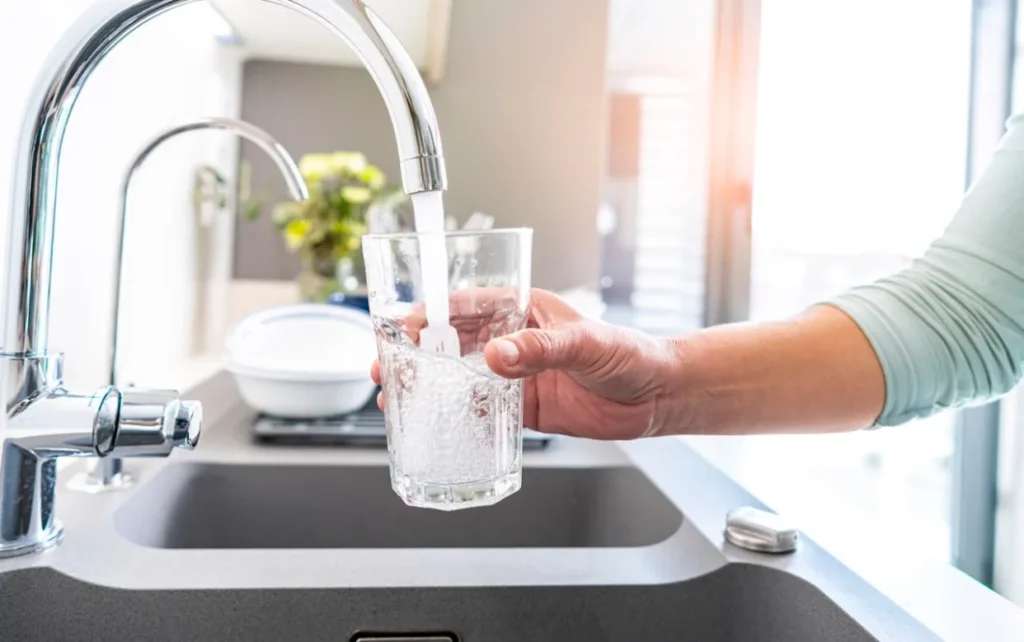
Is Tap Water Safe to Drink? What You Need to Know to Protect Your Health
Understanding the benefits, risks, and how to ensure your tap water is truly clean.
In many developed countries, tap water is considered safe, thanks to rigorous treatment processes and government regulations. In the United States, for example, the Environmental Protection Agency (EPA) mandates that tap water be treated with chlorine to eliminate bacteria and other pathogens. It’s also filtered to remove contaminants like lead, mercury, and pesticides.
However, not all tap water is created equal. Factors like aging infrastructure, agricultural runoff, or local industrial pollution can lead to contamination—even in areas with otherwise strong regulations.
🚨 What Are the Risks of Drinking Tap Water?
While most tap water meets safety standards, certain conditions can introduce health risks:
⚠️ Lead Contamination
In older homes or buildings, lead pipes or plumbing components can leach the toxic metal into your water. Lead exposure is particularly dangerous for children, potentially causing developmental delays, learning disabilities, and long-term health issues in adults.
🦠 Bacterial Infections
Untreated or poorly treated water can carry pathogens like E. coli or Giardia, leading to gastrointestinal illnesses such as diarrhea, vomiting, and abdominal pain.
🧪 Chemical Pollutants
Agricultural runoff and industrial waste may introduce chemicals like nitrates, arsenic, or pesticides into local water sources. Long-term exposure to these contaminants has been linked to various health problems, including cancer and reproductive issues.
Dr. Susan Morgan, public health expert:
“In areas with aging infrastructure or minimal water treatment, tap water may contain contaminants that pose serious health risks. Many go undetected until problems surface.”
How to Ensure Your Tap Water Is Safe
You don’t have to stop drinking tap water altogether—but you should take proactive steps to protect yourself and your family:
1. Test Your Water
Home water testing kits are available online or through your local health department. These kits screen for common contaminants like lead, chlorine, nitrates, and bacteria.
Tip: Ask your local water utility for the latest water quality report, often available online for free.
2. Use a Water Filter
Filtering tap water is a simple and effective way to remove contaminants:
- Activated carbon filters (e.g., in pitchers or faucet attachments) remove chlorine, lead, and mercury.
- Reverse osmosis systems are best for removing bacteria, viruses, and heavy metals.
“Different filters target different contaminants, so choose one based on your local water quality,” says Dr. Morgan.
3. Check Your Local Water Quality Report
By law, most municipalities provide annual water quality reports, which detail detected contaminants and how they’re managed. Staying informed is a key part of protecting your health.
Is Bottled Water Better Than Tap Water?
Not necessarily. While bottled water is marketed as “pure,” many brands simply use filtered tap water. It may undergo additional purification, but that doesn’t always make it safer.
Additionally, bottled water:
- Is more expensive than tap
- Creates plastic waste
- May lack transparency in labeling or sourcing
“Tap water is often just as safe—and far more environmentally friendly—when properly filtered,” notes Dr. Morgan.
Special Precautions for Vulnerable Groups
Some individuals should take extra steps to ensure water safety:
- Pregnant women & children: Use filters certified to remove lead.
- Elderly or immunocompromised individuals: Consider boiling water or using advanced filters to guard against bacteria and viruses.
💭 Should You Drink Tap Water?
For most people living in areas with modern water treatment infrastructure, tap water is safe and offers a cost-effective, eco-friendly way to stay hydrated. Still, it’s wise to be aware of:
- The age of your home’s plumbing
- Your local water quality
- Any recent boil water advisories or public notices
Simple actions like testing and filtering your water can provide peace of mind and help you avoid long-term health issues.
Final Thoughts
Clean water is essential for good health, and ensuring your tap water is safe doesn’t have to be complicated. With regular testing, smart filtration, and a bit of awareness, you can confidently pour from the tap—knowing your water is as clean as it should be.
