Sergey Brin Faces Lawsuit Over Fatal Autonomous Aircraft Crash: Implications for Tech and Aviation Safety
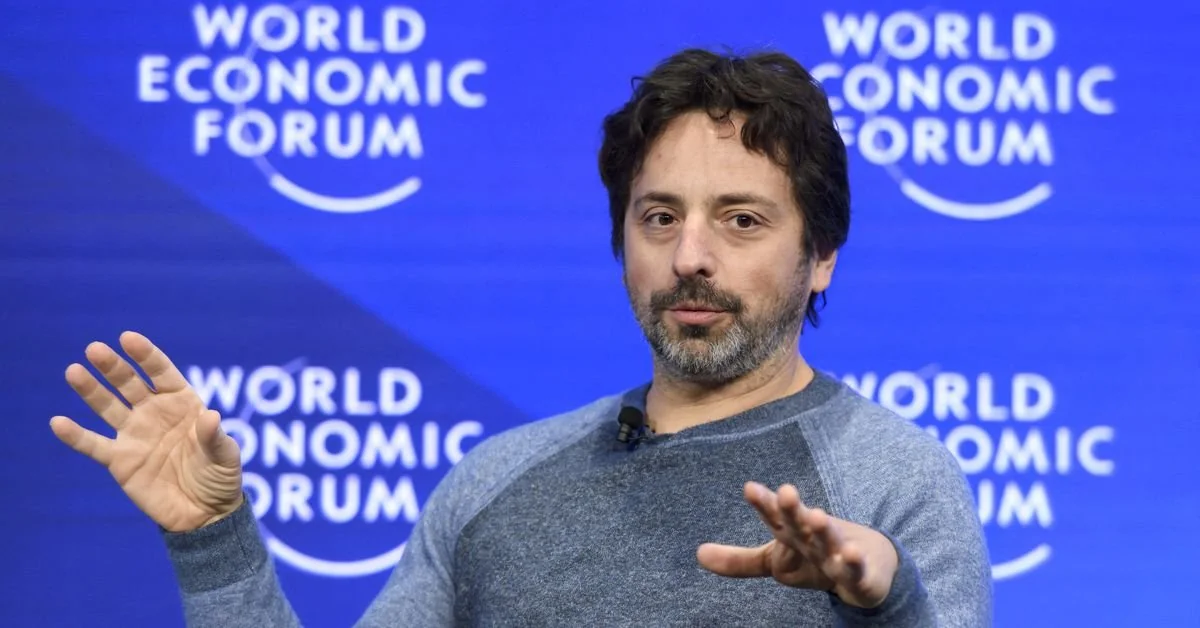
In a major legal challenge, Sergey Brin, co-founder of Google and prominent tech investor, is facing a lawsuit linking him to a deadly plane crash involving an autonomous aircraft. The crash, which resulted in multiple fatalities, has raised serious concerns about the safety of self-flying technology and brought Brin’s involvement in the sector under public scrutiny.
The Fatal Crash and Brin’s Connection
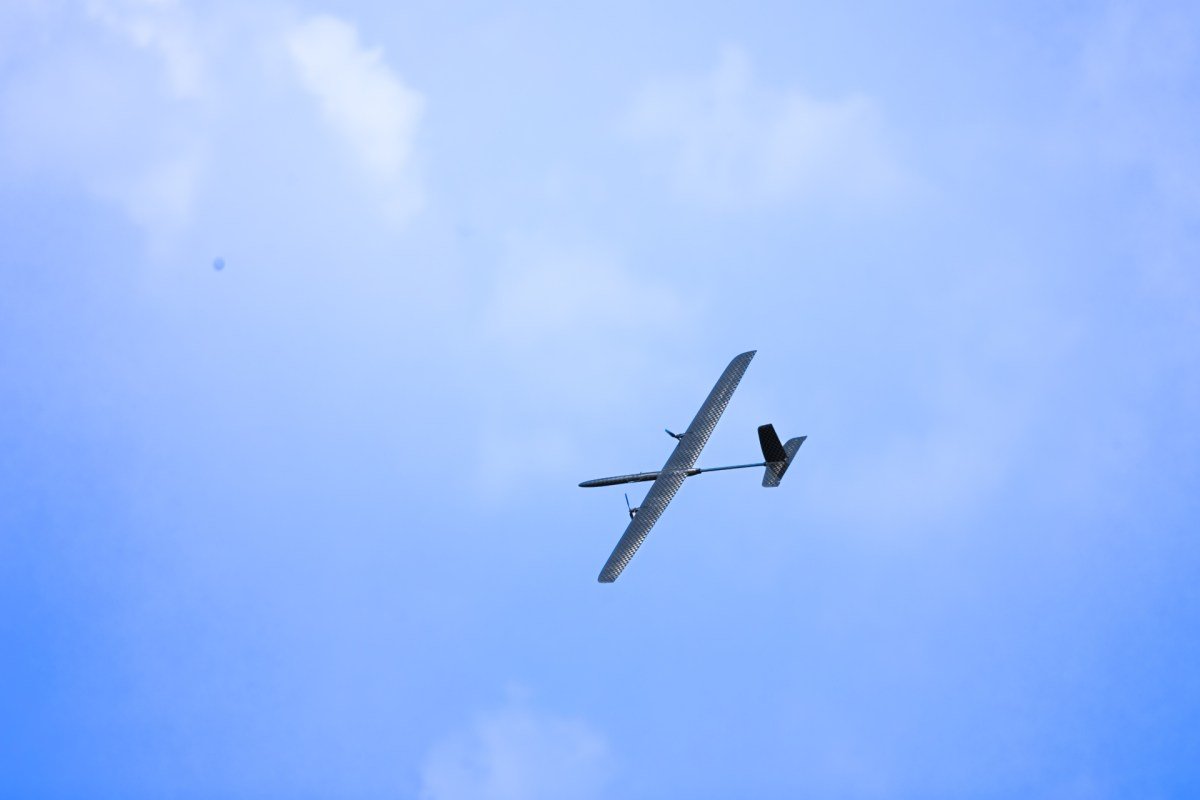
The lawsuit alleges that the crash involved an advanced autonomous plane developed by a company in which Brin holds a significant investment. According to the legal filings, the aircraft malfunctioned mid-flight, leading to the tragic accident. Families of the victims are seeking accountability, citing Brin’s financial and influential role in the company’s operations.
While Brin has no direct involvement in the aircraft’s design or deployment, plaintiffs argue that his position as a key investor carries responsibility. Brin’s legal team, however, maintains that his role as a financier does not equate to liability for the crash.
Legal and Industry Ramifications
This case arrives amid heightened scrutiny of autonomous aviation technology, which promises to reduce human error but remains in its early stages of development. Legal experts suggest this lawsuit could set important precedents for holding high-profile investors accountable in emerging tech industries.
The outcome may influence how venture capitalists engage with high-risk innovations and could trigger more stringent regulations and safety standards for autonomous aircraft and similar technologies.
Public Perception and Regulatory Challenges
The lawsuit may affect Brin’s reputation as a tech visionary, especially as he has kept a relatively low profile since stepping back from Alphabet’s leadership in 2019. It also highlights the broader tension between fostering innovation and ensuring public safety.
Governments and regulators now face the complex task of balancing support for technological progress with necessary oversight, particularly in disruptive fields like autonomous aviation, artificial intelligence, and robotics.
What Lies Ahead
As the case progresses, all eyes will be on Brin and his legal team’s defense strategy. The plaintiffs aim to hold investors accountable, sparking important discussions about responsibility in high-risk technology ventures. The ruling could shape the future landscape of tech investments and regulatory frameworks.
Ultimately, this lawsuit reflects growing concerns over the safety of autonomous technologies and the accountability of those financing their development. For Sergey Brin, it represents a significant test of his legacy and the broader challenges facing innovation in aviation and beyond.