
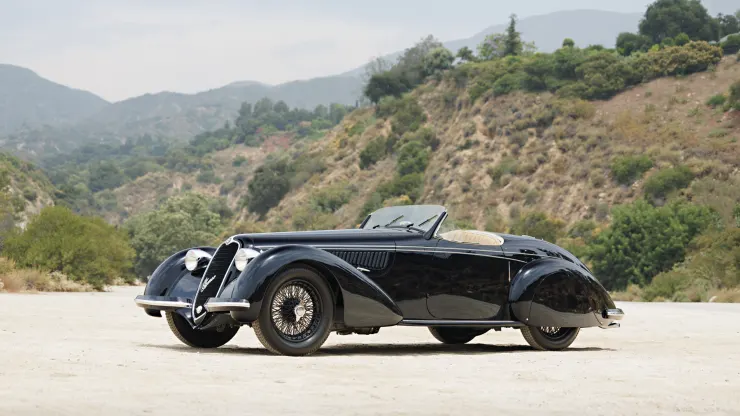
Classic Car Sales Slow at Monterey: A Generational Shift in the Collector Car Market
Monterey Car Week has long stood as a pinnacle event in the classic car world — a stage where rare and historic automobiles regularly achieve record-breaking auction prices. However, the 2025 edition painted a different picture. Sales slowed noticeably, signaling a generational shift that’s reshaping the definition of a “classic” car and altering the dynamics of the collector car market.
At the heart of this transition is a new generation of buyers — younger, more tech-savvy, and less tethered to the automotive icons of the mid-20th century. Their evolving tastes are beginning to disrupt the long-held traditions of the classic car industry.
The Changing Face of the Collector Car Market
For decades, baby boomers have driven demand in the classic car space, bidding high on muscle cars, pre-war European sports cars, and vintage Ferraris — vehicles that defined their youth and symbolized peak automotive design. These cars have been the mainstay of major auction houses like RM Sotheby’s, Bonhams, and Gooding & Co., often fetching multimillion-dollar bids.
But the tide is turning.
Today’s younger collectors — largely millennials and Gen Xers — are less captivated by mid-century vehicles and more drawn to “youngtimers”: cars from the 1980s, 1990s, and early 2000s. Think Japanese sports cars, modern supercars, and iconic rally vehicles — cars they grew up seeing in movies, video games, and posters.
Monterey’s Sales Slowdown Signals a Market Transition
The shift in taste was clearly felt at this year’s Monterey auctions. While select classics still commanded high bids, many high-profile vintage vehicles failed to meet reserve prices, and some did not sell at all.
Auction data shows a decline in both total sales volume and sell-through rate, highlighting a cooling market for traditional classics. At the same time, cars like the 1997 Toyota Supra Turbo, 1990s Porsche 911s, and Lamborghini Diablos saw strong interest, often outperforming their estimates.
Auction houses have begun adjusting. RM Sotheby’s and Gooding & Co. have steadily increased their offerings of 1980s and 1990s models. These vehicles resonate more with the younger demographic — they are more relatable, often more affordable, and in many cases, better suited to modern driving expectations.
What’s Driving the Shift?
1. Generational Identity
Younger buyers simply have different emotional connections. A Gen Xer may lust after a BMW E30 M3, while a millennial might favor a Nissan R34 Skyline GT-R — cars that played starring roles in their formative years.
These vehicles reflect their version of nostalgia, much like baby boomers once gravitated toward ’60s muscle and ’50s roadsters.
2. Affordability and Accessibility
The stratospheric prices of many pre-war or early post-war classics make them inaccessible for most younger buyers. In contrast, youngtimers still offer investment potential without requiring seven-figure budgets.
For example, a well-preserved Mazda RX-7 or Toyota MR2 can be had for a fraction of the price of a vintage Ferrari, yet still delivers driving excitement and collectability.
3. Technology and Usability
Younger collectors are more likely to value performance, reliability, and usability. Cars from the ’80s and ’90s often come with features like power steering, ABS, air conditioning, and electronic fuel injection, making them more viable for regular use.
4. Digital Influence
The rise of online car communities, YouTube reviews, and social media platforms like Instagram and TikTok have changed how cars are discovered, shared, and sold. Younger buyers are increasingly finding and bidding on cars via online auctions like Bring a Trailer, bypassing traditional venues altogether.
Implications for the Future of Classic Car Auctions
The market shift seen at Monterey may be just the beginning. For auction houses and traditional collectors, this presents both a challenge and an opportunity.
- Definition Redefined: The term “classic car” is evolving. Vehicles from the late 20th century, once dismissed as too modern, are now being embraced as icons of a new era.
- Diverse Offerings: Expect to see more diversity in auction catalogs — not just pre-war Bentleys and Ferraris, but also Acura NSXs, Audi Quattros, and even first-gen Tesla Roadsters.
- New Collecting Culture: The culture is shifting from garage queens to driveable investments. Younger buyers want cars they can enjoy, not just display.
While some purists may resist the trend, the influx of new buyers is injecting energy, accessibility, and long-term sustainability into a market that risks aging out.
The Road Ahead
The classic car market is entering a transformational phase. As a new generation of collectors takes the wheel, the industry must adapt to their preferences, values, and behaviors.
Though this year’s slower sales at Monterey may raise concerns for some, it also represents an opportunity: a chance to expand, evolve, and welcome a broader, more diverse collector base.
In the end, classic cars — whether a 1938 Alfa Romeo 8C or a 1993 Mazda RX-7 — are still about passion, heritage, and the joy of driving. As the definition of a “classic” continues to evolve, so too will the experiences and stories that fuel the collector car world.